By APRIL CASE, RidgeCrest Garden Center
If I had to choose a favorite flowering shrub for our area, it would hands-down be the hydrangea. These gorgeous beauties are a staple in Southern landscapes and thrive beautifully in zones 5–9. With six main varieties and more than 75 cultivars, there truly is a hydrangea for every garden style and setting.
In this month’s article, I’ll briefly highlight the six primary types: Bigleaf, Panicle, Smooth, Mountain, Oakleaf, and Climbing Hydrangeas—each with its own unique charm.
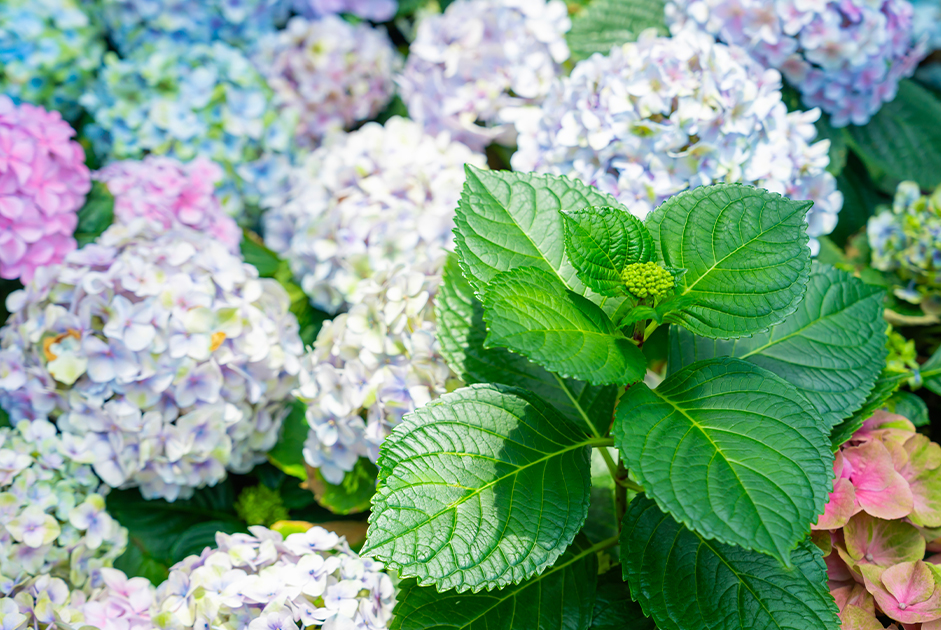
Let’s begin with the most popular and recognizable: Bigleaf Hydrangeas. These are the showstoppers many of us remember from our grandmother’s yard, boasting large pom-pom blooms that can grow as big as a head. Some varieties also offer a more delicate, lacy bloom known as a lacecap. Blue is the most popular color, but these blooms can shift from blue to pink—or even purple—depending on your soil’s pH.
Bigleaf hydrangeas thrive in filtered sun or morning light and should be protected from harsh afternoon heat. Too much sun will quickly lead to disappointment. They also require consistent watering, especially during their first year, as they are notorious for dramatic drooping when thirsty. Always water at the base of the plant to avoid disease. Before pruning, check the plant tag—some bloom on old wood, others on new, and trimming at the wrong time can mean sacrificing blooms for a season. Fertilize in early spring with Holly-Tone, 10-10-10, or a 12-4-8 blend for impressive blooms. Favorites include the BloomStruck® series, Pop Star, Summer Crush, and Blushing Bride.
Next up are Panicle Hydrangeas, often called Limelights. These are easily recognized by their cone-shaped blooms and preference for more sun—typically 6–8 hours a day. They bloom later, beginning in late June and continuing into fall. Panicles should be pruned back by about one-third to encourage new growth and flowers. Their blooms start white or greenish-white and gradually transition to pink as temperatures cool. Popular varieties like Strawberry Sundae, Fire Light, and Vanilla Strawberry can even be trained into stunning tree forms with patience.
If you’re looking for a true native classic, Smooth Hydrangeas are the answer. This is where the beloved Annabelle comes in. These always bloom white and prefer shade and consistent moisture. They bloom on old wood, so prune carefully. Incrediball® is a standout variety, often remembered as the “snowball bush” from childhood gardens.
Mountain Hydrangeas are similar to Bigleaf but more compact and cold-hardy, making them ideal for smaller landscapes or containers. They should be treated just like their Bigleaf cousins. Favorites include Tuff Stuff, Bridal Veil, and Let’s Dance.
The underdog of the group is the Climbing Hydrangea. This woody vine clings to walls, fences, and trees, producing white blooms after a few years of patience. They thrive in shaded, damp areas (but not standing water) and can grow up to 18 feet long. Minimal pruning is best during the first few years.
Finally, the often-overlooked Oakleaf Hydrangea offers four seasons of interest. Its oak-shaped leaves, cone-shaped white blooms, and stunning red fall color make it a standout. Since it blooms on old wood, prune spent blooms promptly.
It’s easy to see why hydrangeas are so popular in our Zone 7b gardens. With morning sun, regular watering, proper fertilizing, and occasional pruning, you can enjoy a landscape full of these timeless beauties.
Stop by Ridgecrest Garden Center and let us help you find the perfect hydrangea for your garden today.