In the summer of 2020, Abigail Jennings and Randolph Lewis were introduced to Cedar Grove, the stately 1831 Greek Revival plantation home built by James Galbraith Torrance and listed on the National Register of Historic Places. At the time, Torrance Banks—a sixth-generation descendant of Hugh Torrance—was seeking thoughtful, forward-looking ideas for the site’s future. What began as a simple introduction soon grew into a shared curiosity and ultimately into a deep sense of responsibility.
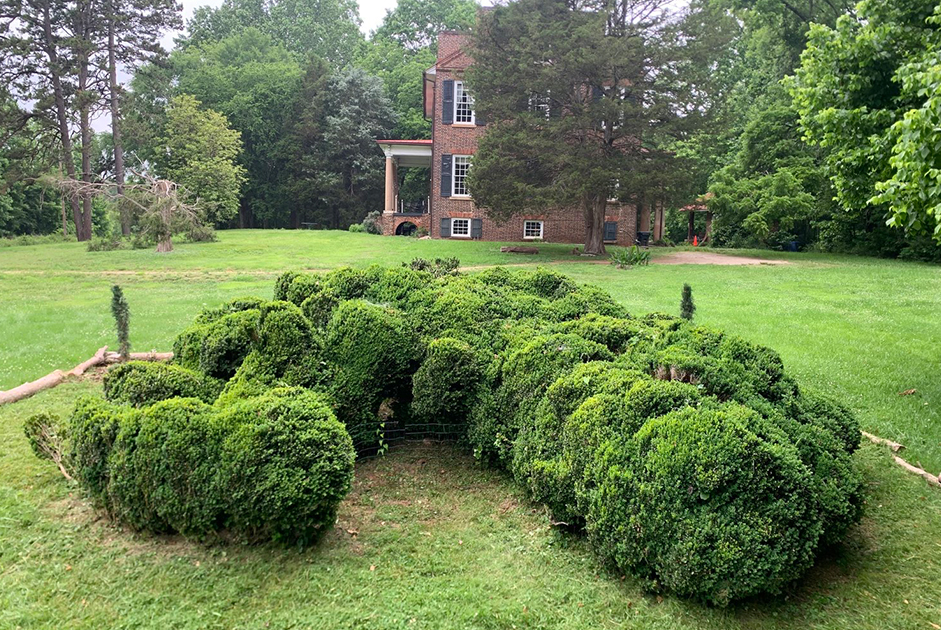
Cedar Grove quickly revealed itself to be more than a single historic house. The property exists within a rich and layered cultural landscape that includes the neighboring Hugh Torrance House and Store, recognized as the oldest standing store in North Carolina. The surrounding preserved lands further deepen the story, reflecting generations of ecological change, labor, and human connection. Together, these places tell a complex narrative shaped by time, people, and the land itself.
Expanding the Vision
As Jennings and Lewis immersed themselves in this history, their understanding of stewardship expanded beyond Cedar Grove alone. As HEARTS began to take shape, it became clear that this site was part of a broader regional network of historic places facing similar challenges of relevance, care, and long-term survival.
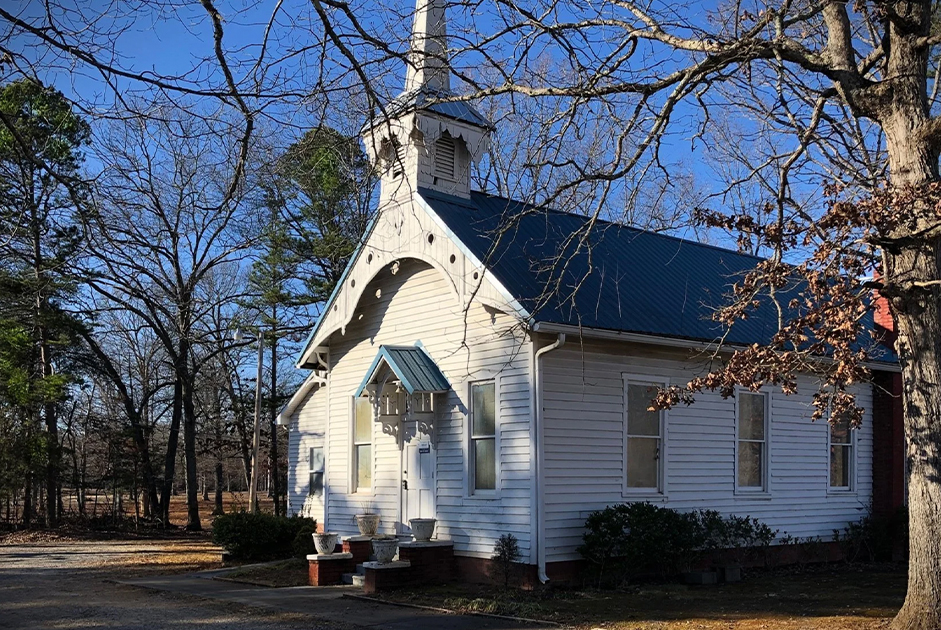
That awareness has sharpened in 2026 with renewed urgency around Brevard’s Chapel in Lincoln County—a rare and vulnerable historic structure whose future now hangs in the balance. Announced for demolition in early 2025, the chapel received a brief reprieve through collaboration with community partners. Its preservation now depends on meaningful progress toward securing a sustainable future, offering a tangible opportunity to protect a place of architectural and cultural significance within the Lake Norman region.
Connecting History, Ecology, and Community
From the outset, the work was never solely about preservation. It was about connection—connecting people to place, history to the present, and culture to community. This guiding principle informed every decision.
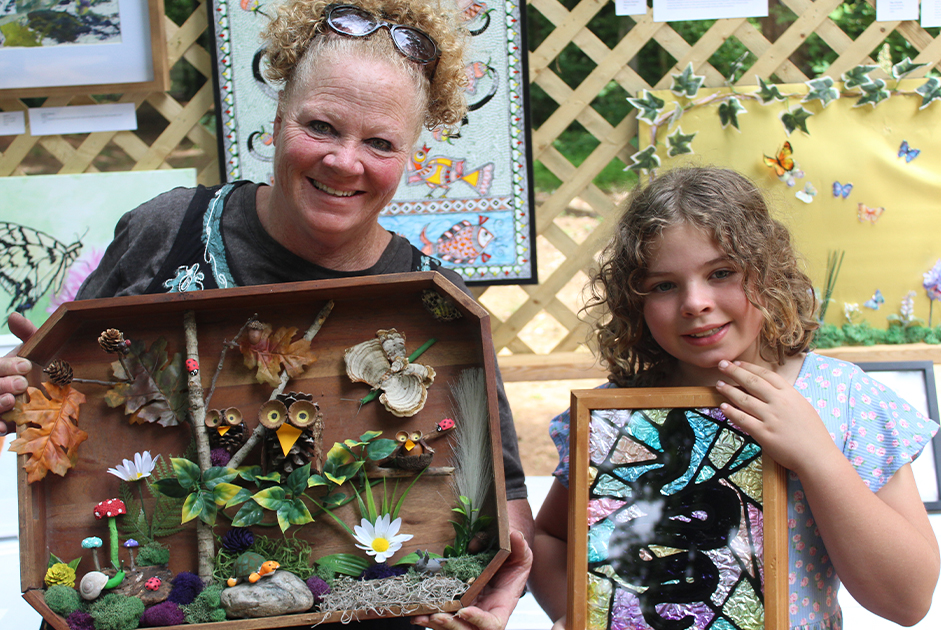
Central to this effort is a commitment to telling the site’s full and complex history, from prehistoric artifacts and In Indigenous lands through Revolutionary-era connections and into the lived experiences of the 18th, 19th, and 20th centuries. Alongside historical research, HEARTS places equal emphasis on ecology and natural history, exploring the plants, animals, and landscapes that continue to shape the region.
The Arts as a Bridge
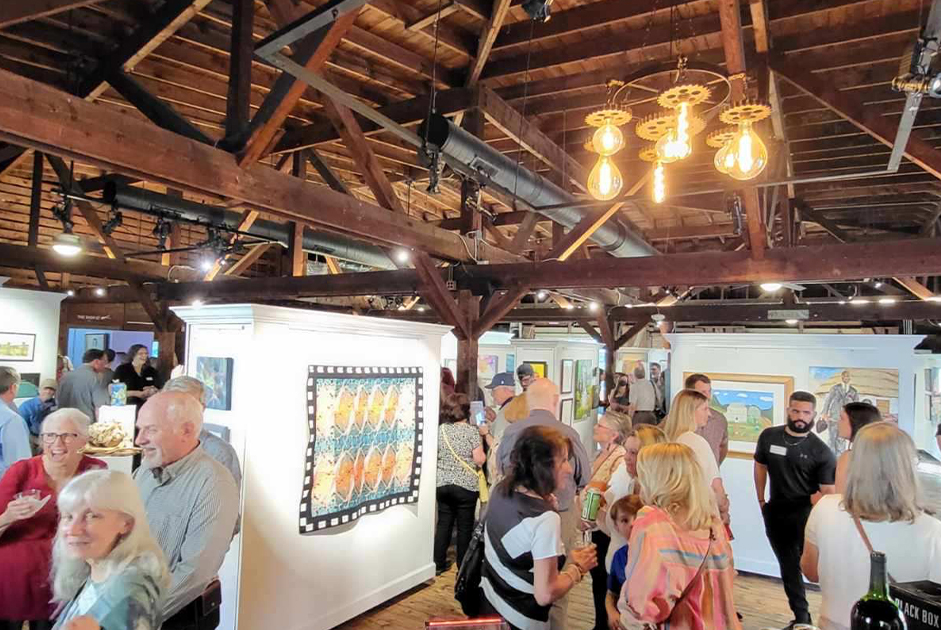
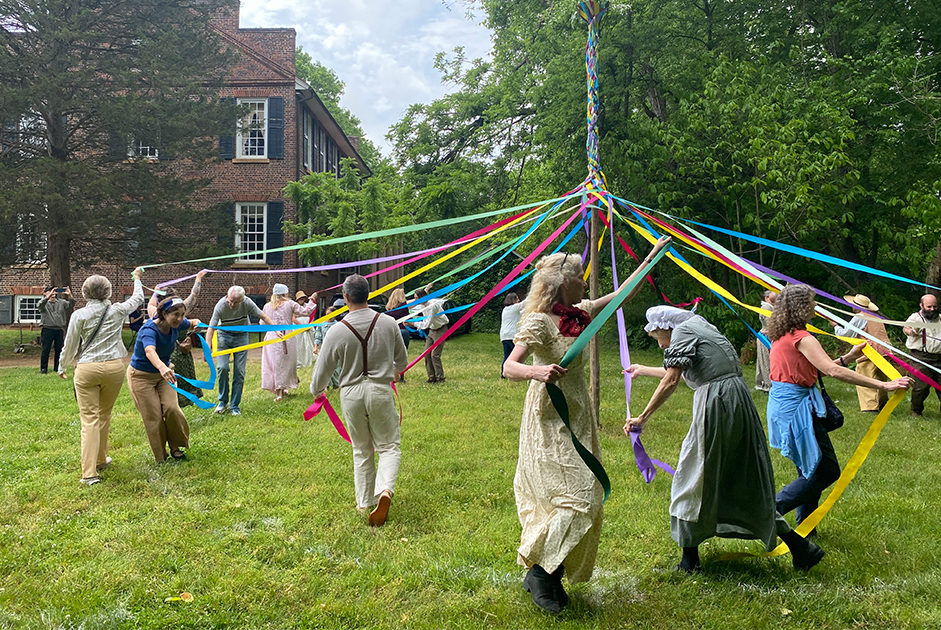
The arts emerged as a natural bridge for these layered narratives. Through music, poetry, dance, and visual arts, Cedar Grove evolved into a gathering place that welcomes diverse audiences.
A cornerstone of this work is the Reunion Project, created to recognize and honor the many generations descended from those once enslaved at the site. By centering remembrance and research, the project ensures that difficult histories remain integral to the mission rather than relegated to the margins.
Continuing the Invitation
Today, HEARTS continues to weave together people, places, and stories—honoring the past while inviting the public into an ongoing, living relationship with it.
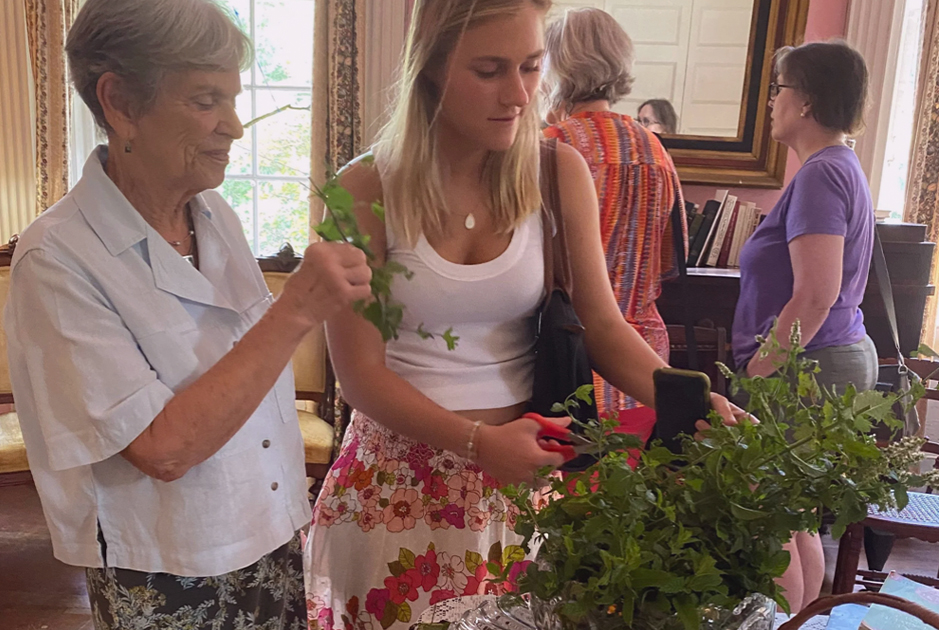
That invitation continues in 2026 through a new slate of free, open-to-the-public HEARTS Happenings, including:
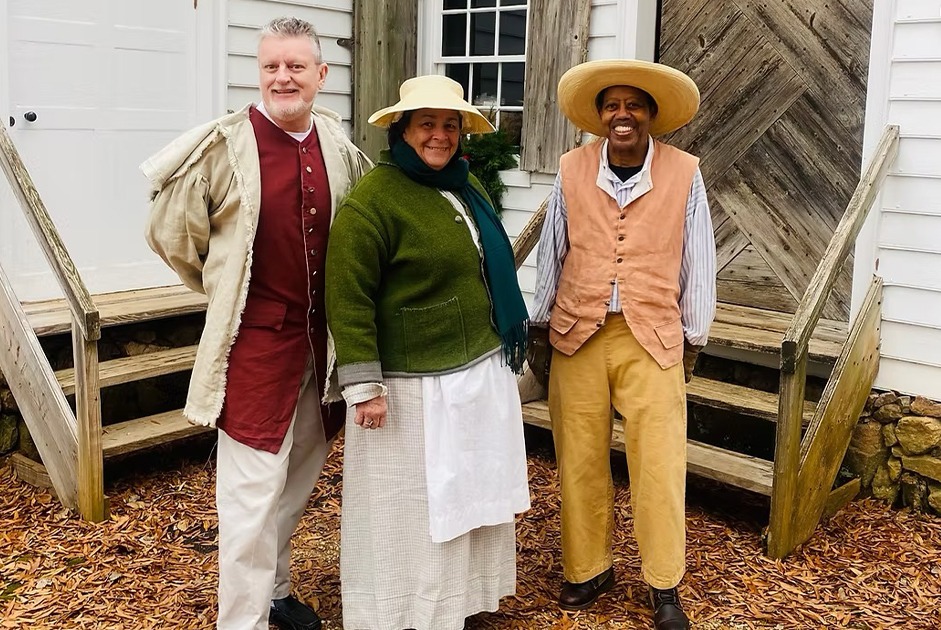
- Living History — February 1
- HEARTSongs: The Power of Love — February 14
- HEARTS Irish Connections — March 21
- HEARTS for Brevard’s Chapel — March 28
Additional free programs and gatherings are planned throughout the year. To learn more or plan your visit, explore heartscollaborative.org.