
One of the most powerful attributes of Dove House Children’s Advocacy Center is its dedication to teamwork when it comes to supporting child victims of sexual assault.
Dove House has a top-notch team that provides much-needed services to children who need them most.
From the moment a first report of child sexual abuse takes place, the Dove House multidisciplinary team steps into action, working to reduce the trauma for both the child and their family. That team approach results in higher quality investigations, which leads to optimum conditions for effective prosecution of perpetrators.
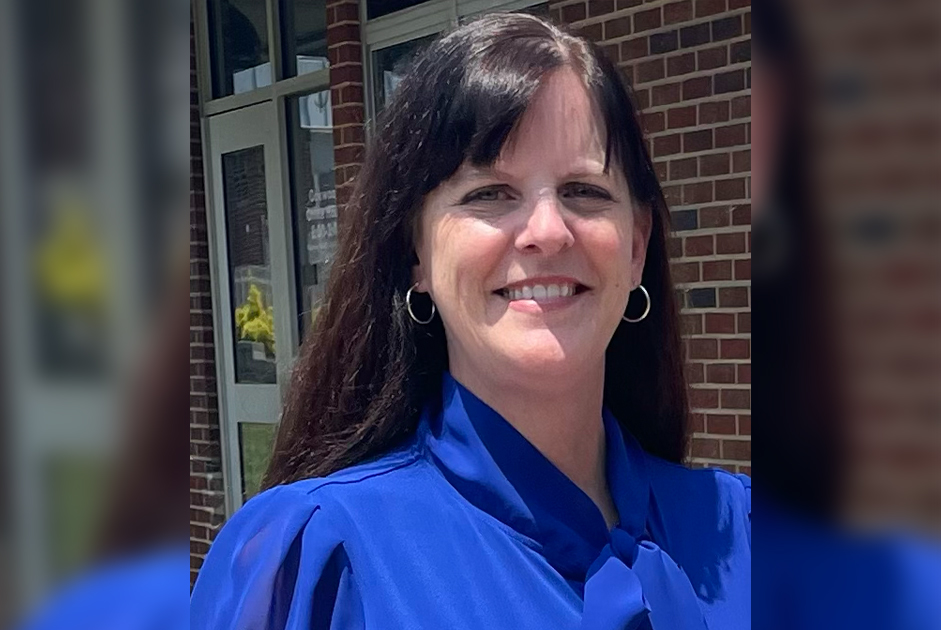
“Our District Attorney’s office has consistently averaged between 85-90% successful prosecution rate of these perpetrators since 2003 — a tremendous improvement over the less than 20% success rate prior to Dove House’s existence. Successful prosecution protects future child victims,” explains Executive Director, Beth McKeithan. “Sarah Kirkman, our District Attorney, has served on the Dove House Children’s Advocacy Center board since Dove House opened in 2002. She and her Assistant District Attorneys come together to make a fabulous team that works tirelessly to bring justice to the children and families we serve.”
Successful prosecution of child sexual abuse cases involves a complex and sensitive legal process, and due to the nature of these crimes, achieving a conviction can be difficult. Physical evidence is often limited, especially when disclosure is delayed, and victims may be young or traumatized. Recantation — often due to family pressure — can also weaken the case.
However, there are several key factors and practices that do contribute to successful outcomes in these cases:
- Victim Support and Preparation: Dove House Children’s Advocacy Center provides a safe, neutral space for children to be interviewed, along with trauma-informed approaches to help reduce re-traumatization and improve the child’s ability to testify. Consistent victim support — therapy and advocacy — also helps children feel secure and more able to participate in the process.
- Forensic Interviewing: Conducted by trained professionals using non-leading, developmentally appropriate techniques, interviews are often video-recorded and later used in court. These also minimize the number of times a child must recount the abuse.
- Medical and Physical Evidence: Timely forensic medical exams can collect evidence of physical trauma or DNA. Even without physical evidence, exams can provide important documentation and help rule out alternative explanations.
- Digital and Circumstantial Evidence: In many cases, texts, images, search history, and online communications can support the child’s account of trauma. Testimony from other victims may be admissible to show a pattern of abuse.
- Strong Legal Strategy: Prosecutors with specialized training in child sexual abuse are more effective, along with the use of expert witnesses to explain typical child behavior, can counter defense arguments. Strategic plea bargaining may also lead to guilty pleas — which avoids the re-traumatization of a trial.
- Multi-Disciplinary Teams (MDTs): These involve collaboration among law enforcement, prosecutors, child protection, medical professionals, and advocates — which lead to better case outcomes. MDTs improve coordination throughout the process, reduce victim trauma, and increase the chances of successful prosecution.
The wide array of services Dove House offers victims, as well as their non-offending family members, are provided at no cost to the client.
Discover more about Dove House Children’s Advocacy Center, a fully accredited 501(c)(3) nonprofit organization serving Iredell and Alexander counties, at Dovehousecac.org, and follow them on Instagram @dovehouse_cacnc.