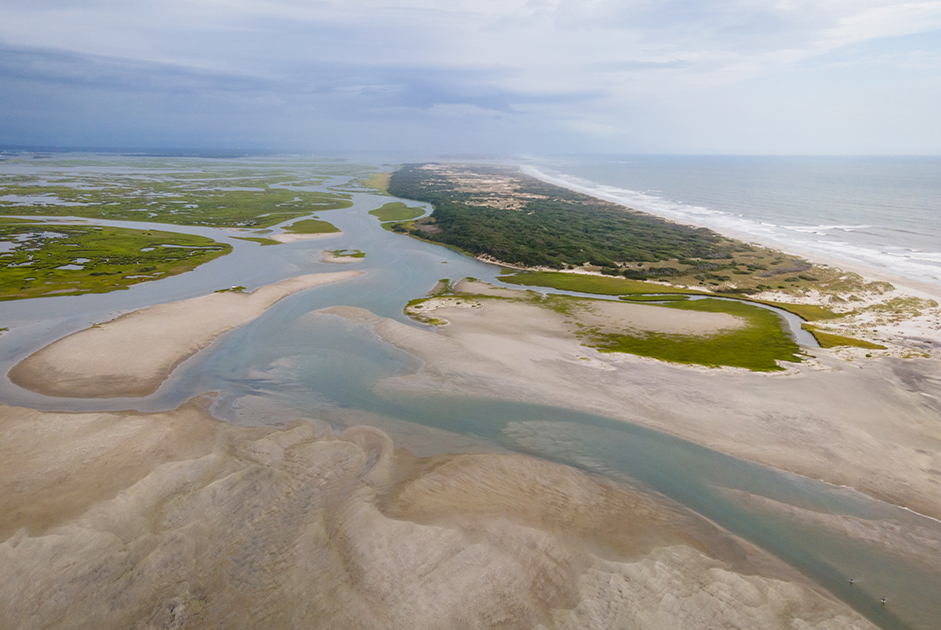
Twenty miles southeast of Jacksonville, North Carolina, lies one of the state’s most extraordinary coastal treasures—a place where the journey is as memorable as the destination. Hammocks Beach State Park offers something increasingly rare: a pristine barrier island accessible by passenger ferry, where visitors can experience the North Carolina coast as it existed centuries ago.
A Legacy of Vision and Progress
The park’s story begins with remarkable foresight and generosity. Originally donated by private benefactors who recognized the need to preserve this coastal wilderness, the area became a state park in the 1960s. The park holds particular historical significance as it was integrated following the Civil Rights Act of 1964, transforming from a segregated facility into a place where all visitors could experience the wonder of Bear Island’s pristine beaches.
Since 1975, park rangers have participated in the federal loggerhead sea turtle protection program, making this one of North Carolina’s longest-running conservation efforts. This dedication to preservation has helped maintain the island’s ecological integrity for nearly five decades.
The Ferry Adventure
What sets Hammocks Beach apart from every other North Carolina state park is the required ferry ride to reach Bear Island. This isn’t simply transportation—it’s the beginning of an adventure. As the passenger ferry glides across the Intracoastal Waterway, anticipation builds for what awaits: four miles of completely undeveloped barrier island coastline.
The ferry operates seasonally, making each trip feel special and exclusive. For many visitors, this short voyage becomes one of their most cherished memories, offering glimpses of dolphins, seabirds, and the gradual reveal of Bear Island’s impressive dune systems rising from the Atlantic.
Recreation for Every Adventurer
Bear Island caters to diverse outdoor enthusiasts. The pristine beaches offer world-class swimming, surfing, and shell collecting along some of the cleanest sand on the East Coast. For anglers, both surf fishing and pier fishing provide excellent opportunities to catch red drum, flounder, and seasonal species.
The park’s unique oceanside camping experience allows visitors to fall asleep to crashing waves and wake to Atlantic sunrises—a privilege available at few locations along the coast. Campers must pack everything in and out, preserving the island’s pristine condition.
Back on the mainland, a 0.56-mile nature trail winds through recovering longleaf pine forests, offering insight into the area’s logging history and ecological restoration. Kayakers and canoeists can explore extensive salt marshes and tidal creeks, often encountering herons, egrets, and other coastal wildlife.
Nature’s Masterpiece: Unique Features
Bear Island showcases dramatic landscape contrasts, from maritime forests to desert-like areas dominated by massive dune systems. These impressive sand formations, some reaching significant heights, create an almost otherworldly environment where migrating sand continuously reshapes the terrain.
The island serves as a crucial nesting site for endangered sea turtles. Between mid-May and late August, loggerhead and green sea turtles emerge from the ocean under cover of darkness to dig nests above the high-tide line. Park staff carefully monitor and protect these ancient mariners, contributing valuable data to ongoing conservation research.
Wildlife viewing opportunities abound year-round. Migrating birds use the island as a stopover point, while resident species include brown pelicans, ospreys, and various shorebirds. The surrounding waters support bottlenose dolphins, often visible during ferry crossings.
At the End of the Day
As afternoon shadows lengthen across Bear Island’s pristine beaches, visitors often find themselves reluctant to board the return ferry. There’s something profoundly restorative about experiencing a place where nature still operates on its own terms, where the loudest sounds are wind, waves, and calling seabirds.
The ferry ride back to the mainland provides time for reflection, watching the sun sink lower over the coastal marshes while Bear Island gradually fades into memory. Yet for most visitors, this isn’t really the end—it’s the beginning of planning their return to North Carolina’s most unique state park, where the journey by ferry remains as magical as the pristine destination itself.