
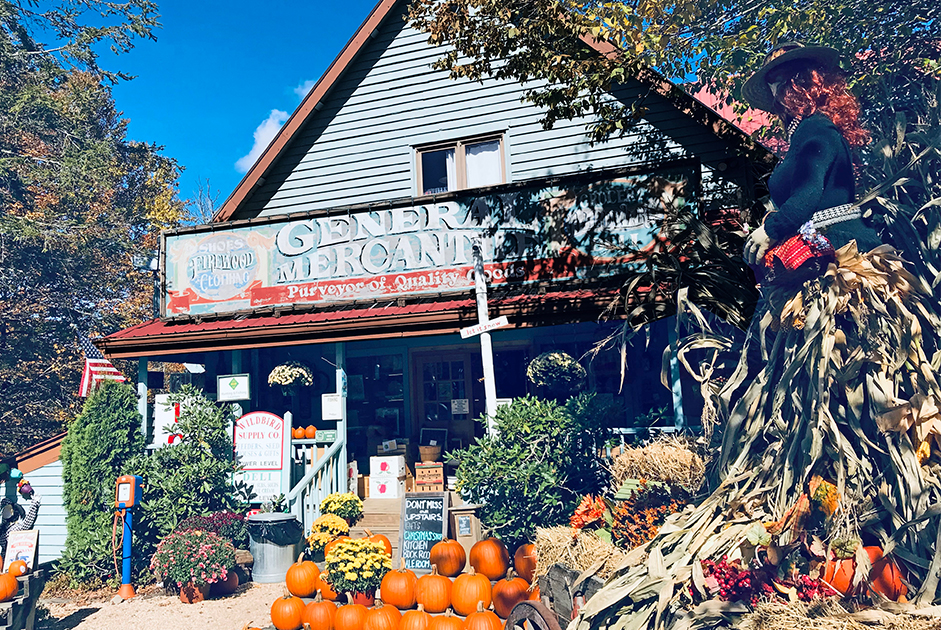
One year ago, as Western North Carolina prepared for Thanksgiving 2024, communities throughout the High Country were still reeling from Hurricane Helene’s devastating impact in late September. My family, friends, and neighbors faced the holiday season amid unprecedented destruction. In my 2024 article “Finding Gratitude Amidst Tragedy,” I wrote about the resilience and community spirit emerging from the rubble.
Today, as we approach Thanksgiving 2025, that same spirit has evolved into something equally powerful: a determined effort to rebuild not just homes and infrastructure, but entire economic foundations—with tourism leading the charge toward long-term recovery.
The Long Road to Recovery
The path forward from Hurricane Helene proved even more extremely challenging than many initially anticipated. While the immediate emergency response showcased remarkable community solidarity, the long-term recovery has required sustained commitment and creative solutions. In High-Country counties, where the storm’s impact was particularly severe, residents quickly realized that rebuilding would require more than just repairing what was lost—it would demand reimagining their economic future.
The High Country’s pre-Helene economy heavily relied on tourism, outdoor recreation, and the natural beauty that draws visitors from across the Southeast and beyond. When the hurricane damaged trails, destroyed scenic overlooks, flooded popular destinations, and disrupted the infrastructure that supports tourism, it didn’t just take away jobs—it threatened the very foundation of how these communities sustain themselves.
Tourism: More Than Just Visitors
What became clear in the month’s following Helene is that tourism in the High-Country represents far more than leisure activity. It’s an economic ecosystem that supports local businesses, funds municipal services, and provides the tax revenue necessary for infrastructure maintenance and improvement. When visitors stopped coming—whether due to damaged attractions or the perception that the region was “closed”—the ripple effects were immediate and profound.
Local restaurant owners found themselves without customers. Outdoor gear shops saw sales plummet. Hotels and vacation rentals sat empty. But perhaps most critically, the tax revenue that funds road repairs, emergency services, and community development dried up precisely when it was needed most.
Residents in Avery, Ashe, and Watauga Counties and neighboring areas quickly recognized that welcoming back tourists wasn’t just about returning to business as usual—it was about survival and renewal. Every visitor who chose to vacation in the High-Country despite the challenges was directly contributing to the rebuilding effort.
The Ripple Effect of Recovery Tourism
As communities began actively encouraging “recovery tourism,” something beautiful emerged. Visitors weren’t just coming for the traditional attractions; they were coming to be part of the healing process. They stayed in locally owned accommodations, ate at family restaurants, and shopped at businesses that were struggling to rebuild. Many visitors explicitly sought out ways to support the recovery, turning their vacations into acts of solidarity.
The influx of tourism dollars provides the immediate cash flow that many businesses need to repair and reopen. More importantly, it demonstrates to residents that their communities remained viable and valuable destinations. The psychological impact of seeing visitors return—of witnessing outsiders choose to spend their money and time in these recovering areas—provides a boost to morale that statistics cannot capture.
As visitors continue to return, these revenue streams begin flowing again, enabling counties to accelerate repairs to roads, bridges, and public facilities that serve both residents and tourists. Moreover, many tourism-related infrastructure improvements serve dual purposes. Trail repairs don’t just benefit hikers—they prevent erosion and support environmental recovery. Road improvements for tourist access also help residents get to work and school. Upgraded communication systems that help visitors stay connected also strengthen emergency response capabilities for local communities.
The Thanksgiving 2025 Perspective
As we approach Thanksgiving 2025, the gratitude I want to convey in pen about the resilience over a tragedy a year ago has deepened and evolved. Residents are grateful not just for survival and community support, but for the recognition that their home is a place worth visiting, worth investing in, and worth rebuilding.
There’s also gratitude for the visitors themselves—people who choose the High-Country of NC, for their vacations, their weekend getaways, and their outdoor adventures. Every tourist dollar spent in these mountain communities and throughout the High-Country represents someone’s conscious decision to support recovery efforts.
This Thanksgiving, as we count our blessings, let’s include gratitude for the recognition that choosing where to travel, where to vacation, and where to spend our leisure time can be acts of community support and economic development. In Western North Carolina’s High-Country, every visitor continues to be part of the recovery story—and that’s something truly worth celebrating.