Walk into a home filled with thriving green plants, and you’ll immediately sense something different. The air feels fresher, the space more inviting, and there’s an undeniable vitality that sterile interiors simply cannot replicate. This isn’t mere aesthetic preference, science increasingly validates what plant enthusiasts have long understood: indoor plants fundamentally improve our living environments in measurable, meaningful ways.
The Multifaceted Benefits of Indoor Greenery
The case for bringing nature indoors extends far beyond decoration. Research from NASA’s Clean Air Study, conducted to improve air quality in space stations, revealed that common houseplants actively remove volatile organic compounds (VOCs) from indoor air. These toxins, including formaldehyde, benzene, and trichloroethylene emanate from furniture, carpets, cleaning products, and building materials, creating a chemical soup in our supposedly safe homes.
Beyond air purification, plants influence indoor environments through transpiration, the process by which they release moisture into the air. In winter months when heating systems create desert-like conditions indoors, plants can increase humidity levels by 5 to 10 percent, alleviating dry skin, respiratory irritation, and static electricity. Studies have also documented psychological benefits: hospital patients with views of plants recover faster, office workers report increased productivity and reduced stress, and students demonstrate improved concentration in plant-filled classrooms.
Matching Plants to Environmental Challenges
Different homes present different environmental challenges, and fortunately, the plant kingdom offers specialized solutions for virtually every situation.
For Air Purification
The snake plant stands as perhaps the ultimate air-cleaning champion. This hardy succulent performs a rare trick: unlike most plants, it converts carbon dioxide to oxygen at night through crassulacean acid metabolism, making it ideal for bedrooms. It’s also remarkably tolerant of neglect, surviving weeks without water and thriving in low light.
The spider plant rivals the snake plant in air-cleaning prowess while propagating readily through “spiderettes,” baby plants that dangle from the mother plant. Studies show spider plants can remove up to 90 percent of formaldehyde from the air within 24 hours. Their cascading habit makes them perfect for hanging baskets or high shelves.
Peace lilies combine elegance with functionality, removing ammonia, benzene, formaldehyde, and trichloroethylene while producing beautiful white blooms. They prefer medium light and actually droop when thirsty, which is a helpful visual reminder for forgetful waterers.
For Low-Light Conditions
North-facing rooms and basement apartments need not remain plantless. The pothos vine thrives in dim conditions while trailing beautifully from shelves or climbing moss poles. Its heart-shaped leaves come in variegated patterns of green and gold, and it’s nearly indestructible by rooting easily in water when pruned.
Cast iron plants earn their name through sheer resilience, tolerating low light, temperature fluctuations, and irregular watering. Their broad, dark green leaves add architectural interest to shadowy corners where other plants would languish.
ZZ plants store water in their rhizomes, allowing them to survive both low light and drought. Their glossy, deep green leaves reflect available light, brightening dim spaces naturally.
For Humidity and Moisture Control
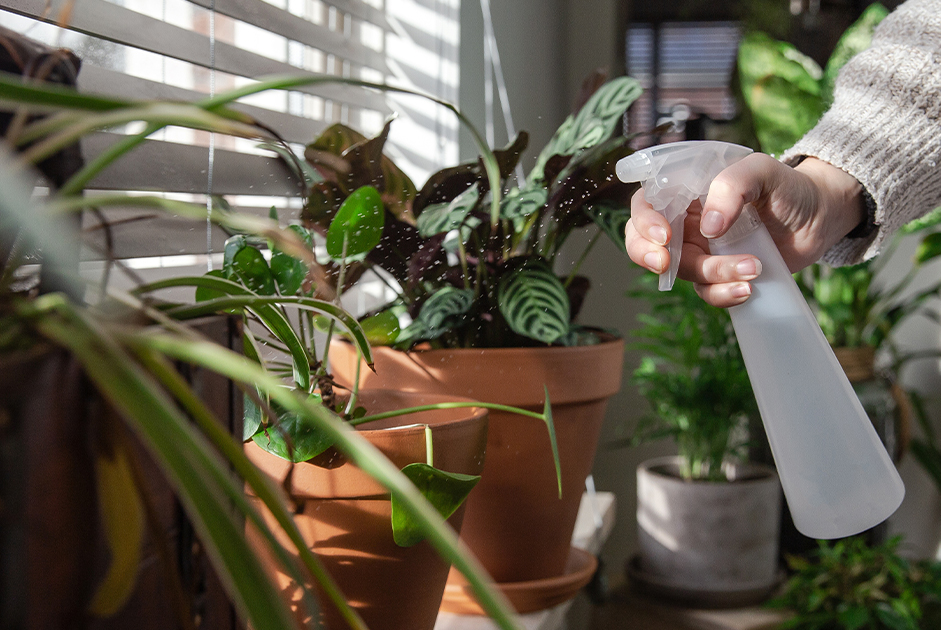
Boston ferns excel at increasing indoor humidity, making them perfect for dry climates or winter months. Their lush fronds create a jungle atmosphere, though they require consistent moisture and benefit from occasional misting.
Bamboo palms serve double duty, increasing humidity while filtering out formaldehyde and benzene. These elegant plants can grow quite large, creating natural room dividers that improve air quality throughout the space.
English ivy, while requiring moderate care, provides exceptional humidity regulation and removes airborne mold particles, which is particularly valuable in bathrooms or basements prone to dampness.
For Beginners
Starting an indoor garden can feel intimidating, but certain plants forgive nearly every novice mistake. Succulents like jade plants and aloe vera require minimal watering and tolerate irregular care. The rubber plant grows readily with basic attention, while dracaenas come in numerous varieties, all tolerant of typical household conditions.
Success with indoor plants requires matching species to your specific environment and lifestyle. Assess your natural light levels honestly most plant failures stem from insufficient light rather than poor care. Consider your schedule: frequent travelers should choose drought-tolerant species, while retired individuals might enjoy more demanding tropical varieties.
Container selection matters too. Ensure pots have drainage holes to prevent root rot, and use quality potting soil rather than garden dirt. Most houseplants prefer to dry slightly between waterings as overwatering kills more plants than underwatering.
The transformation that indoor plants bring to living spaces is both immediate and cumulative. That first Boston fern or snake plant marks the beginning of a greener, healthier home with proof that sometimes the most sophisticated environmental solutions grow from the earth itself.