There is a moment familiar to anyone who has truly learned to look at the woods — the moment the landscape stops being background and becomes a pantry. A shaded hollow reveals ramps. A mossy log fruits with oyster mushrooms. Wild onions push through the soil beside a trail. Across North Carolina, from the Blue Ridge Mountains to the shores of Lake Norman, that moment can happen almost anywhere.
On June 19, 2026, Quinn and I attended a wild foraging class at the Florence Thomas Art School in Ashe County. Tucked into the far northwestern corner of North Carolina, Ashe County sits in one of the richest temperate ecosystems in the world. The elevations, cool climate, and biodiversity make it one of the finest foraging regions in the eastern United States.
Spring in Ashe County arrives with ramps, the pungent wild leeks long treasured in Appalachian cooking. Found in moist mountain hollows, ramps have become increasingly popular with chefs and food lovers alike. But experienced foragers stress sustainability: harvesting only a leaf or two while leaving the bulb intact allows the plant to regenerate.
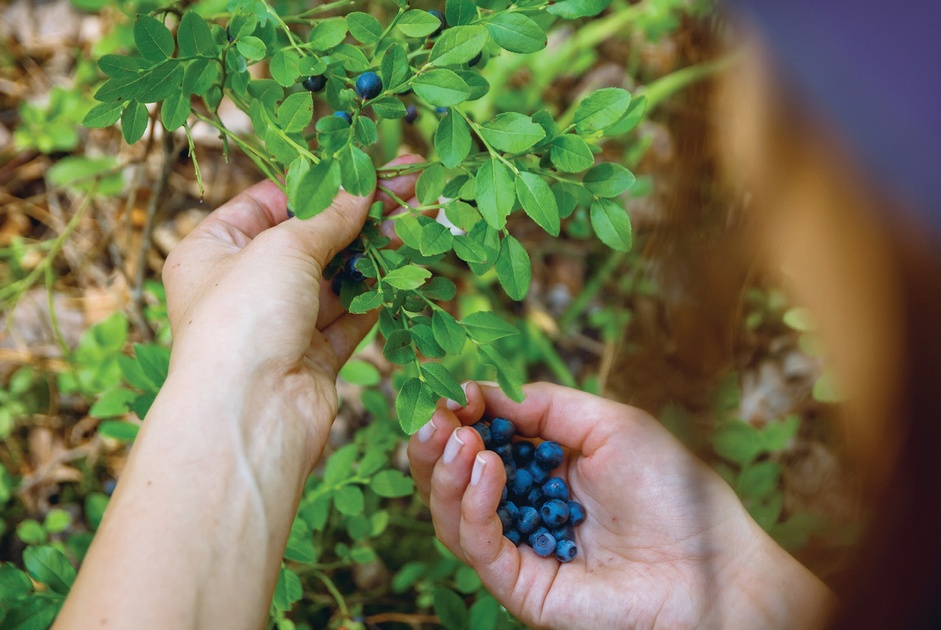
As summer unfolds, wild blueberries, huckleberries, and mulberries appear along trails, fields, and forest edges. By late summer, pawpaws ripen in creek bottoms with their custard-like tropical flavor, often described as a blend of banana and mango. Fall brings hickory nuts, black walnuts, and an explosion of mushrooms, including chanterelles, oysters, and hen of the woods. Sassafras roots, harvested nearly year-round, remain a longtime Appalachian staple for tea.
Even many common “weeds” are edible. Chickweed, lamb’s quarters, dandelion, and wood sorrel grow abundantly throughout the mountains, thriving in gardens, roadsides, and disturbed soil.
Still, foraging requires caution and education. Some edible plants have dangerous look-alikes, and mushroom identification can be especially risky without proper training. The rule experienced foragers repeat most often is simple: if you are not absolutely certain what something is, do not eat it.
That growing awareness has helped fuel interest in foraging workshops and guided walks across North Carolina.
Fortunately for residents around Lake Norman, the foraging opportunities do not end in the mountains. The Piedmont region — including Mooresville, Davidson, Cornelius, Denver, and surrounding communities — offers its own impressive variety of wild foods throughout the year.
The mixed hardwood forests surrounding Lake Norman’s shoreline support edible greens across multiple seasons. Chickweed and wood sorrel appear in cooler months, while dandelion, wild onions, violets, and clover flourish through spring and summer. In wooded areas, May apples produce fruit in midsummer, and black walnuts and beechnuts arrive in fall.
Autumn olive, an invasive shrub common throughout the Piedmont, produces tart red berries prized by many foragers. Some jokingly call it the perfect invasive species because one of the best ways to control it is simply to eat it.
The Lake Norman region also supports mushrooms like chanterelles and oyster mushrooms, while the milder climate allows edible greens to grow for much of the winter.
For those interested in learning more, North Carolina offers a growing number of educational opportunities. Fun Guy Foraging in Charlotte hosts mushroom-focused tours and classes throughout the region. NC Nature School in Raleigh teaches mushroom and herbal foraging alongside wilderness skills and family-friendly outdoor education.
One of the state’s longest-running events, the North Carolina Wild Food Weekend, held each spring in the Piedmont, draws participants from across the Southeast for guided walks, workshops, and shared meals built around wild ingredients.
For those willing to take the scenic drive into the High Country, the Florence Thomas Art School in West Jefferson offers “Foraging for Incredible Edibles” workshops as part of its heritage arts programming. The classes combine hands-on learning with the culture and beauty of Ashe County — equal parts field trip and feast.
Whether on a mountain ridge in Ashe County or along the wooded shores of Lake Norman, foraging offers something no grocery store can provide: a deeper connection to the landscape and the quiet satisfaction of discovering what the land has been offering all along.